
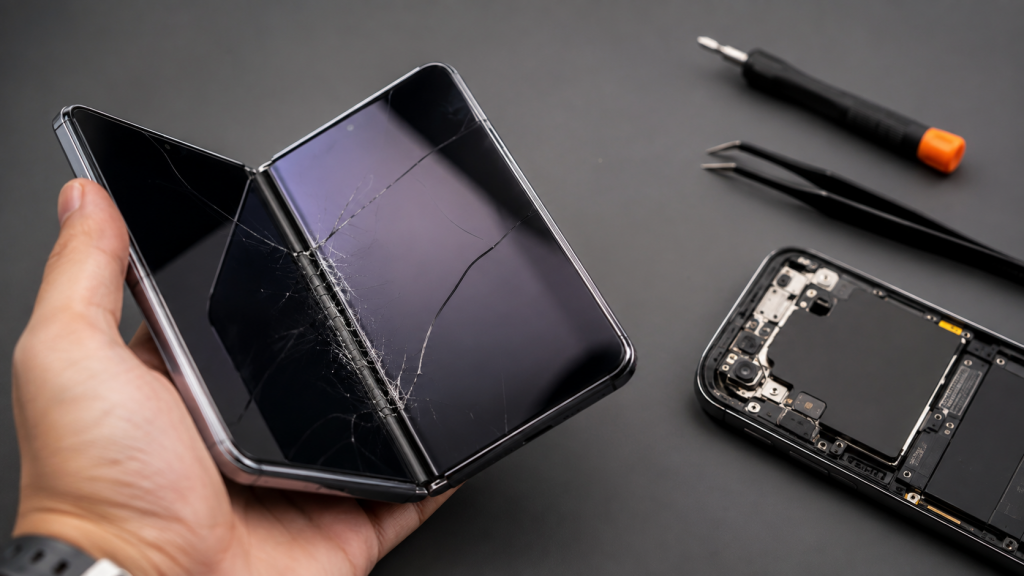
Foldable phones are impressive pieces of engineering. A device that opens into a tablet and folds into your pocket sounds like something from a film. But when something goes wrong, and eventually it does, the repair experience is nothing like getting a standard smartphone fixed.
The parts cost more. The work takes longer. Many repair shops will not even attempt it. And if you go to the wrong place, you could end up with a phone that works worse than before.
This guide covers what actually breaks on foldable phones, how much you can expect to pay, and how to find someone who knows what they are doing.
Why Foldable Phones Are Harder to Fix Than Standard Phones
A regular smartphone is a sealed glass slab. Drop it, crack the screen, and a technician swaps the display panel. The whole job might take 30 minutes to an hour. That process has been refined over more than a decade, and most phone repairs follow a well understood workflow.
Foldable phones break all of that.
The inner display is built from ultra thin flexible OLED, sometimes with a layer of ultra thin glass on top. It bends every time you open or close the device. That flexibility makes it more sensitive to pressure, temperature changes, and impact than any conventional screen.
Then there is the hinge. This is a precision mechanical system that has to hold tension in two directions, flex tens of thousands of times, and keep dust out at the same time. Most foldables also have a layer of protective film bonded to the inner display that looks like a screen protector but is actually part of the screen. People sometimes peel it off by mistake, which can permanently damage the panel underneath.
Standard phone repair is about swapping components. Foldable phone repair is about working with components that were never designed to come apart easily.
What Actually Goes Wrong With Foldable Phones
Not every foldable issue needs an expensive repair. Some are minor. But the ones that are serious tend to be very serious. Here is what comes up most often.
The inner screen cracks or develops dead spots. This is the most common foldable fault. The flexible display develops a visible crease that deepens over time, or the screen cracks along the fold line after a drop. In some cases, part of the screen stops responding to touch entirely.
The hinge loosens or stiffens. After months of daily use, the hinge mechanism can start to feel loose when opening, or it can stiffen up and resist folding. Dust and lint work their way into the mechanism and accelerate the wear.
The cover screen breaks. Foldable phones have two displays. The smaller outer screen can crack just like any phone screen, but on a foldable, it tends to cost more because the parts are less common.
Water resistance disappears after a drop. Most current foldables carry an IP48 or IPX8 water resistance rating. But that rating relies on precise sealing around the hinge. Even a minor drop can compromise it, and there is no easy way to test whether the seal is still intact.
The protective film peels. Samsung foldables ship with a factory applied film over the inner display. If it starts peeling at the edges, the screen underneath is exposed. Replacing it properly requires the right adhesive and tools.
How Much Does Foldable Screen Replacement Cost?
There is no way around it. Foldable screen replacement is expensive.
The inner display panel on a Samsung Galaxy Z Fold 7 costs significantly more than the screen on a Galaxy S series phone. According to parts suppliers in Europe, the inner screen component alone for a Z Fold 7 is priced several times higher than a standard flagship screen. The Z Flip 7 inner panel is more affordable, but still well above what you would pay for a conventional OLED replacement.
Cover screens are cheaper to replace, but even those can run into triple figures depending on the model.
At Phone Clinic, we price foldable repairs on request rather than listing fixed prices. The cost of foldable parts changes more frequently than standard phone components, and we would rather give you an accurate quote based on what your device actually needs than publish a number that could be out of date next month. You can get in touch for a quote and we will give you an honest figure before any work starts.
For a broader look at how screen repair costs compare across different phone types, our phone screen repair cost guide breaks it down by brand and model.
Samsung Foldables vs Google Pixel Fold: Repair Differences
Samsung dominates the foldable market. The Galaxy Z Fold and Z Flip lines make up the vast majority of foldable repairs in the UK. Samsung has also made more progress than anyone else on making these devices repairable. They introduced a component level repair approach in South Korea that lets technicians replace individual subcomponents rather than the entire display assembly. That programme is not widely available in the UK yet, but it shows the direction things are heading.
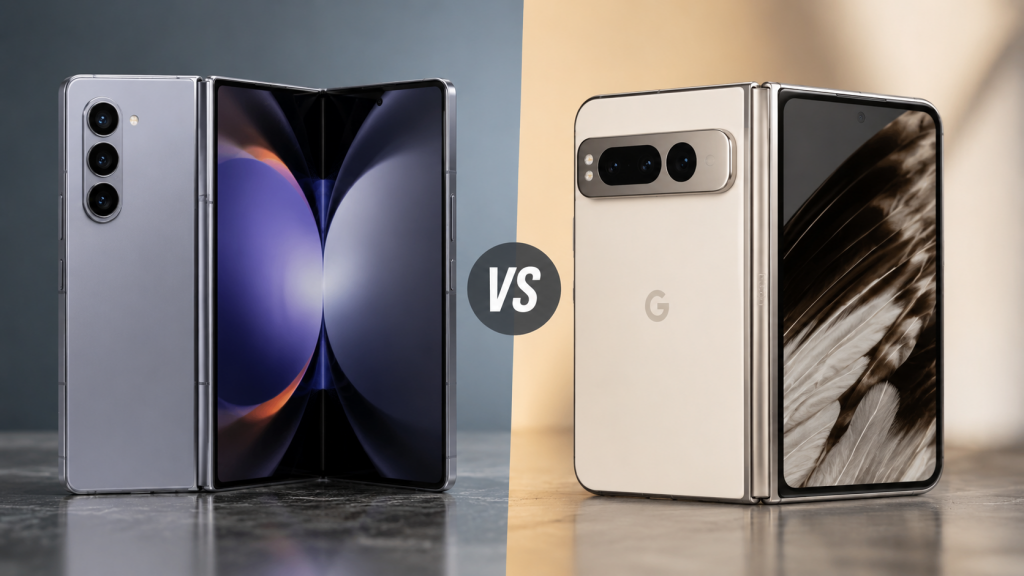
Google’s Pixel Fold (and the newer Pixel 9 Pro Fold) is less common, which creates a different problem. Fewer devices in circulation means fewer spare parts available. If your Pixel Fold needs a screen replacement, the wait for parts can be longer than for a Samsung model.
If you own a Samsung foldable and need a non folding Samsung repair, our Samsung phone repair guide covers the most common faults and fixes across the full Galaxy range.
The iPhone Fold Factor
Apple is widely expected to release its first foldable iPhone in late 2026. Reports suggest it will use a book style folding design similar to the Galaxy Z Fold, with Samsung Display supplying the foldable OLED panels.
What does that mean for repair?
If Apple follows its usual approach, replacement parts will initially be restricted to Apple Stores and authorised service providers. Independent repair shops will likely face the same parts access challenges they deal with on other iPhone models, at least in the first year or two. Given the complexity of foldable displays and hinges, repair costs for the iPhone foldable are expected to be among the highest in Apple’s lineup.
We will update this page once the device launches and real repair data becomes available.
Can You DIY a Foldable Phone Repair?
For almost every foldable issue, no.
A standard iPhone or Samsung screen replacement has detailed guides, widely available parts, and a forgiving margin for error. You can watch a video, buy a kit, and have a reasonable chance of getting it right.
Foldable phone repair is different. The inner display is bonded to the frame in ways that require heat, precise separation tools, and careful handling to avoid cracking the panel during removal. The hinge mechanism has tight tolerances that are easy to knock out of alignment. And if the water resistance seal needs restoring after the repair, that requires specific adhesive and application technique that most people simply do not have at home.
Even experienced repair technicians approach foldables with extra caution. This is not a job for a kitchen table and a YouTube tutorial.
What to Look for in a Foldable Repair Shop
If you need a foldable phone repair, choosing the right shop matters more than it does for a standard phone.
Ask these questions before handing your device over:
Have you repaired this specific model before? Foldable experience on a Z Flip does not automatically mean someone can handle a Z Fold. The internal layout is different.
Do you have the right tools? Foldable repairs require equipment that goes beyond the standard phone repair toolkit. Flexible OLED handling, precision adhesive application, and in some cases micro soldering capability.
What parts are you using? Aftermarket foldable parts vary enormously in quality. A cheap replacement inner display might fold differently from the original, which puts extra stress on the hinge over time.
What warranty do you offer on the repair? If a shop is confident in their work, they should stand behind it. At Phone Clinic, all our repairs come with a warranty so you are covered if something is not right.
How Phone Clinic Handles Foldable Repairs
We repair foldable phones on request. Because foldable parts are not standard stock items, we order the specific components your device needs once we have assessed the fault. That means the turnaround is longer than a typical phone repair, but it also means you are getting the right parts for your exact model.
Here is how it works:
You contact us and describe the issue. We can usually give you a rough idea of the likely cost and timeline at this stage.
If you want to go ahead, bring the phone to any of our 14 UK stores or use our mail in service. Our technician inspects the device, confirms the fault, and provides an exact quote.
Once you approve the quote, we order the parts and carry out the repair. You do not pay unless we fix the problem. That is our no fix, no fee policy.
Foldable phone repair is not something we rush. The devices are too expensive and too complex for shortcuts.
Is It Worth Repairing a Foldable Phone or Replacing It?
This depends on three things: the age of the phone, the type of damage, and the cost of the repair relative to buying a replacement.
If your foldable is less than two years old and the damage is limited to one component, repair almost always makes sense. Even an expensive screen replacement is cheaper than buying a new foldable that costs over £1,000.
If the phone is older, has multiple faults (a cracked screen plus a worn hinge plus a swelling battery), the repair costs can stack up quickly. At that point, it is worth getting a diagnostic assessment to see what the total bill would look like before committing.
One thing worth remembering: replacing a foldable screen does not wipe your data. Your photos, messages, and apps stay exactly where they are. That matters more than most people think when they are weighing up whether to repair or replace.
Frequently Asked Questions
How much does foldable phone repair cost in the UK?
Foldable phone repair costs more than standard smartphone repair because of the specialised parts involved. The exact price depends on the model, the type of fault, and which components need replacing. At Phone Clinic, we quote foldable repairs on request because parts prices change frequently. Contact us with your model and a description of the issue and we will give you an accurate price before any work begins.
Can a cracked foldable screen actually be repaired?
Yes, a cracked foldable screen can be repaired, but it usually means replacing the entire inner display assembly rather than just the outer glass. The flexible OLED panel and the layers bonded to it need to come out as a single unit. This is more complex and more expensive than a standard screen repair. Always take your foldable to a technician who has experience working with this type of display.
How long does a foldable phone repair take?
Foldable phone repairs typically take longer than standard phone repairs because the parts often need to be ordered specifically for your device. Once the parts arrive, the repair itself may take a day or two depending on the complexity. Same day repairs are uncommon for foldables due to the specialised work involved.
Will my foldable phone still be water resistant after a repair?
Not necessarily. Foldable phones achieve their water resistance through precise sealing around the hinge and display edges. Any repair that involves opening the device carries a risk of affecting that seal. Even careful, experienced technicians cannot always guarantee the original water resistance rating is fully restored afterwards. Factor this in when deciding whether to repair.
Should I repair my foldable phone or buy a new one?
If the phone is under two years old and only one component is damaged, repair is usually the more cost effective option. A screen replacement, even at foldable prices, costs significantly less than a new device. If the phone is older with multiple faults, get a diagnostic assessment first so you can see the full repair cost before deciding.
Does Phone Clinic repair all foldable phone models?
We handle foldable phone repairs on request across Samsung Galaxy Z Fold and Z Flip models as well as other foldable devices. Because foldable parts are specialist items, we order the specific components your device needs rather than keeping them in stock. Contact us with your model details and we will let you know the timeline and cost.