
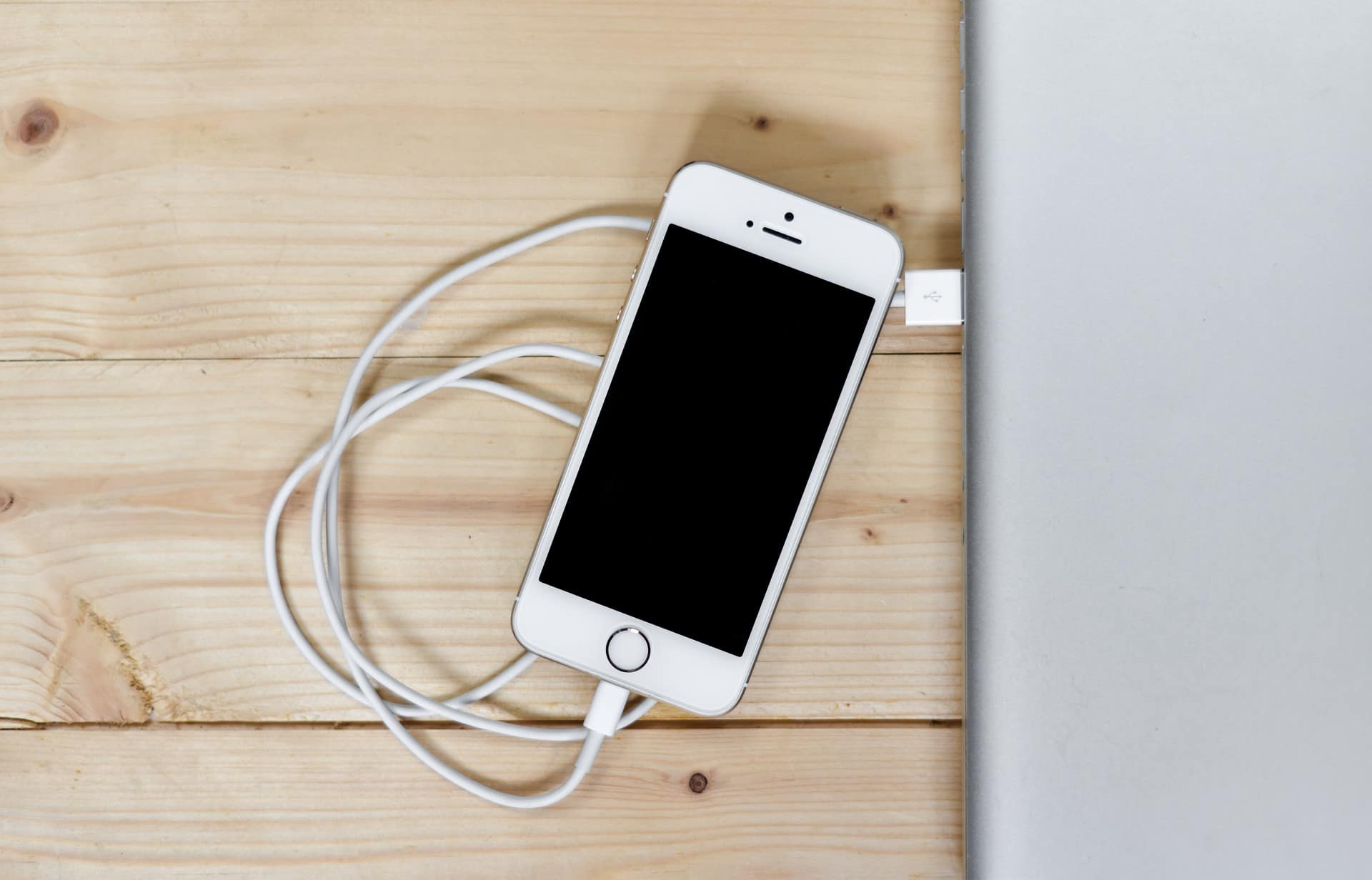
It starts with a wiggle. You plug your charger in, but nothing happens until you tilt the cable at a precise 45-degree angle. Then, it stops working entirely. Now, you are left with a dying battery and a burning question: How much is the iPhone charging port repair cost going to be?
In 2026, the answer isn’t a single number. Depending on your model, service provider, and location, the price can range from a simple $0 cleaning fee to a $600+ whole-unit replacement if you go to the wrong place.
This guide is your financial roadmap. We will break down the exact costs for every model from the iPhone X to the latest iPhone 16, compare Apple’s official pricing against trusted third-party shops, and help you decide if your device is worth saving.
Breakdown of iPhone Charging Port Repair Costs by Model
When searching for the iPhone charging port repair cost, specificity matters. A repair for an iPhone 8 is drastically different from the complex USB-C assembly found in the iPhone 15 and 16 series.
Below is a detailed price comparison to help you budget.
The “Vintage” Models: iPhone X, XR, XS, and Older
For these devices, parts are abundant and the repair process is well-mastered by technicians.
- Average Cost: $50 – $90
- Repair Time: 30–45 minutes
- Verdict: Repair it. The cost is low enough that it extends the life of the phone for another year or two, which is far cheaper than buying a new device.
The Mid-Range Workforce: iPhone 11, 12, 13, and 14 Series
These models introduce higher complexity. The iPhone 12 and newer models use stronger adhesives and more tightly integrated flex cables (often connected to the microphone and taptic engine), slightly raising the labor cost.
- Average Cost: $80 – $150
- Repair Time: 45–60 minutes
- Verdict: Repair it. These phones still have high resale value. Spending $100 to fix a phone worth $400+ is a smart financial move.
The Modern Era: iPhone 15 and 16 Series (USB-C)
The shift to USB-C ports in the iPhone 15 and 16 brought faster charging but also higher part costs. The components are more expensive to source, and the repair requires high precision to ensure data transfer speeds remain intact.
- Average Cost: $120 – $190+
- Repair Time: 1–2 hours
- Verdict: Check Warranty First. These phones are likely still under AppleCare+ or standard warranty. If not, a professional third-party repair is still significantly cheaper than Apple’s out-of-warranty fee.
2026 Price Comparison Table
| iPhone Model Series | Third-Party Repair Cost (Est.) | Apple Out-of-Warranty Cost* |
| iPhone 16 / 16 Pro | $140 – $200 | $550+ (Whole Unit Swap) |
| iPhone 15 / 15 Pro | $120 – $180 | $499+ (Whole Unit Swap) |
| iPhone 13 / 14 Series | $90 – $150 | $399+ (Whole Unit Swap) |
| iPhone 11 / 12 Series | $80 – $130 | $399+ (Whole Unit Swap) |
| iPhone X / XR / SE | $60 – $100 | $299+ (Whole Unit Swap) |
> Note on Apple Pricing: Apple Stores typically do not replace just the charging port on many models. They often categorize this as “Other Damage” and swap the entire device for a refurbished unit, which explains the drastically higher price tag.
Factors That Influence the Price of Repair
Why does one shop quote you $80 while another quotes $150? Understanding these variables protects you from overpaying or falling for a “too good to be true” scam.
1. Apple Store vs. Independent Repair Shops
This is the biggest price factor.
- Apple Store: If you have AppleCare+, the cost is usually a modest $99 deductible (or free if deemed a defect). Without AppleCare+, you are often looking at a “Whole Unit Replacement” fee, which can exceed $500 for newer Pro models.
- Independent Shops: These shops replace the specific broken component (the flex cable). This is why they are 50-70% cheaper.
2. Original (OEM) vs. Aftermarket Parts
Not all parts are created equal.
- Premium / OEM Pulls: These are genuine Apple parts taken from other units. They cost more but guarantee perfect compatibility (microphone clarity, signal strength).
- Aftermarket: These are third-party copies. They are cheaper ($10-$20 less) but can sometimes result in slower charging speeds or weaker microphone quality. Always ask your technician: “Are you using Premium or Aftermarket parts?”
3. Additional Hidden Damages
Sometimes, a drop that broke your charging port also cracked your back glass or swelled your battery.
- Swollen Battery: If your battery is puffy, it is dangerous to remove the charging port without replacing the battery first. Expect an additional $60-$90 if this is found.
- Screen Damage: On older iPhones (like the 6s-8), the screen must be removed to access the port. If your screen is already cracked, it might fall apart during removal, necessitating a screen replacement too.
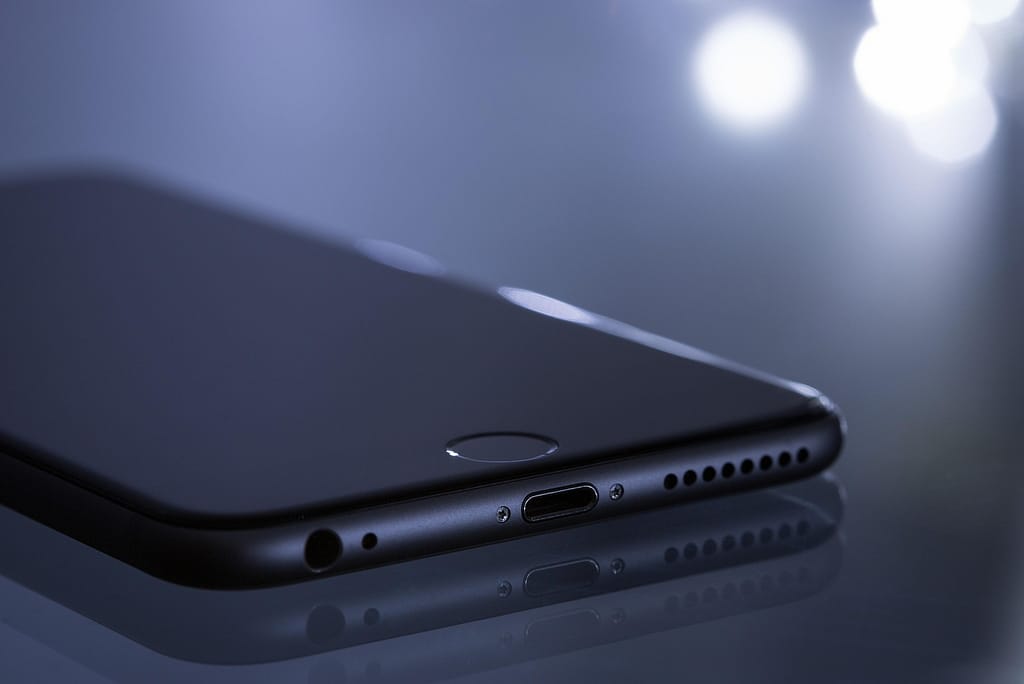
DIY vs. Professional Repair: Is Saving Money Worth the Risk?
Search volume for “how to fix iPhone charging port” is high, but so is the number of people who destroy their phones attempting it.
The DIY Appeal
You can buy a charging port kit on Amazon for $15 to $30. Ideally, you save $100 in labor.
The Real-World Risks
- Microsoldering: On some newer board designs, components are incredibly small. One slip of the screwdriver can knock off a microscopic capacitor on the logic board, bricking the phone permanently.
- Water Resistance: Breaking the factory seal ruins the IP68 water resistance. Professional shops usually re-seal the phone; DIY kits rarely include the proper adhesive stencils.
- The “Tristar” Trap: Sometimes, the issue isn’t the port—it’s the charging IC chip (Tristar/Hydra) on the motherboard. Replacing the port won’t fix this, and you’ll have wasted hours and money.
Our Advice: Unless you are a hobbyist comfortable with electronics, the $80 you save isn’t worth the risk of a $1,000 mistake.
Signs You Need a Replacement (Not Just a Cleaning)
Before you spend a dime, ensure you actually need a repair. Approximately 30% of “broken” charging ports are just dirty.
The “Toothpick Test”
Pocket lint gets compacted into the port over months.
- Try this: Turn off your phone. Use a non-conductive tool (like a wooden toothpick or plastic pick) and gently scrape the bottom of the port.
- Result: If you pull out a ball of gray lint and the charger clicks in firmly afterward, you just saved yourself $100.
Symptoms of Hardware Failure
If cleaning didn’t work, look for these signs:
- The “Wiggle”: The phone only charges when the cable is held at a specific angle.
- Loose Fit: The lightning or USB-C cable falls out with gravity.
- Microphone Issues: People say you sound muffled on calls (the microphone is often part of the charging port assembly).
FAQs
A: At most professional independent repair shops, this is a “while you wait” service, typically taking 30 to 60 minutes. Apple Store appointments may require leaving the device for a few hours or days.
A: No. Replacing the charging port is a hardware repair and does not touch your storage or memory. However, it is always best practice to back up your device before any repair.
A: Only if your device is under the 1-year Limited Warranty and there is no sign of physical damage or water damage. If the port is worn out from normal use after the warranty expires, you will have to pay.
A: The switch to USB-C introduced more complex circuitry to handle higher data transfer speeds and power delivery. The parts are costlier to manufacture, and the assembly is more difficult to access than the older Lightning ports.
Conclusion
A broken charging port doesn’t mean your iPhone is dead; it just means it needs a pit stop.
When you look at the iPhone charging port repair cost, ranging from $40 to $120 for most models, it is almost always the smarter financial choice compared to spending $1,000+ on a new device.